API Security: The Overlooked Attack Surface
APIs are everywhere — and they're often the weakest link. Why API security testing deserves its own focus.
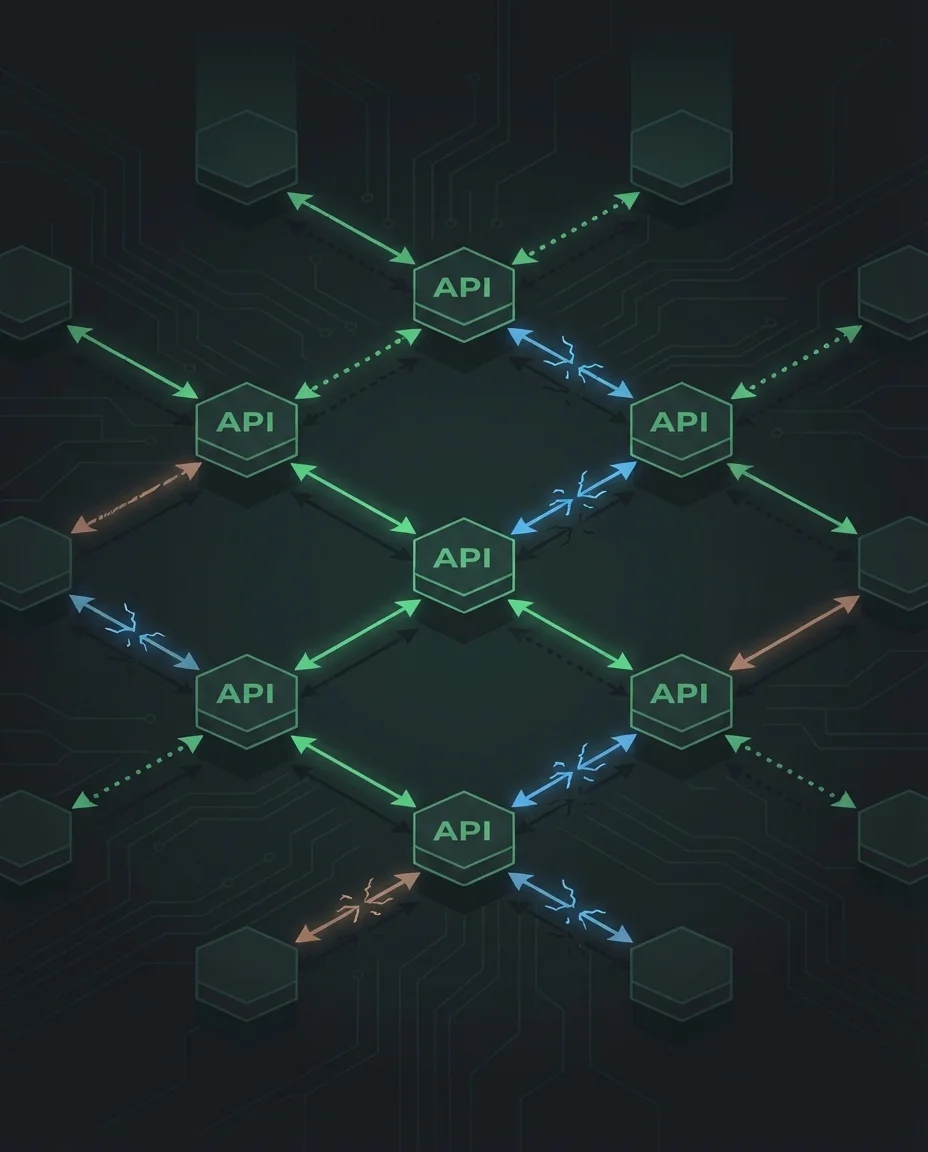
Modern applications are built on APIs. Microservices, mobile apps, and third-party integrations all communicate through APIs. Yet API security often gets less attention than traditional web security. That's a mistake.
APIs Are Different
APIs have different attack surfaces than traditional web apps. Authentication mechanisms (OAuth, API keys, JWT) can be misconfigured. Rate limiting might be absent. Authorization might be bypassed at the API layer. Business logic flaws in APIs can expose sensitive data or enable unauthorised actions.
Common API Vulnerabilities
We routinely find: broken object-level authorization (BOLA), broken function-level authorization, excessive data exposure, and lack of security in resource consumption. GraphQL and REST APIs each have their own patterns. Automated scanners miss many of these â manual testing is essential.
Testing APIs
API security testing requires understanding the API surface, authentication flows, and business logic. We map endpoints, test authorization boundaries, and probe for injection and logic flaws. Our reports include reproducible proof and remediation guidance.
If you have APIs exposed to the internet or to third parties, they warrant dedicated testing. Contact us to discuss scope.
Operational Implications
The key takeaway from this topic is execution discipline: identify exploitable paths early, assign ownership quickly, and validate remediation under realistic conditions. Teams that operationalise security into release and change workflows generally reduce high-risk exposure windows and avoid repeat findings.
Use this insight to prioritise what is exploitable now, what can chain into broader impact, and what should be validated again after fixes are deployed. Evidence-led prioritisation consistently produces faster and more durable risk reduction than checklist-only approaches.
Implementation Checklist
- Define a clear owner for each critical finding and remediation deadline.
- Validate exploitability before and after remediation with reproducible evidence.
- Document impact in business terms for leadership, not just technical severity.
- Schedule follow-up verification so fixes are confirmed, not assumed.
Related Next Steps
Translate this topic into action by aligning the right engagement model to your current risk profile. For targeted validation, start with Penetration Testing. For practical examples of measurable outcomes, review Continuous Validation Rollout. You can also browse the latest guidance in our blog archive.
Need a Practical Plan?
If you want this assessed against your own environment, we can scope it quickly and provide an evidence-focused route to remediation. Get in touch and we will recommend the most effective next step based on your architecture, timeline, and risk priorities.
Need Help Applying This?
If this topic relates to your environment, we can scope the right engagement model and provide a clear plan with evidence-focused outcomes.