API and Application Security Gaps That Scale Quietly
A field-focused walkthrough of the topic with ownership checkpoints, validation priorities, and governance outcomes.
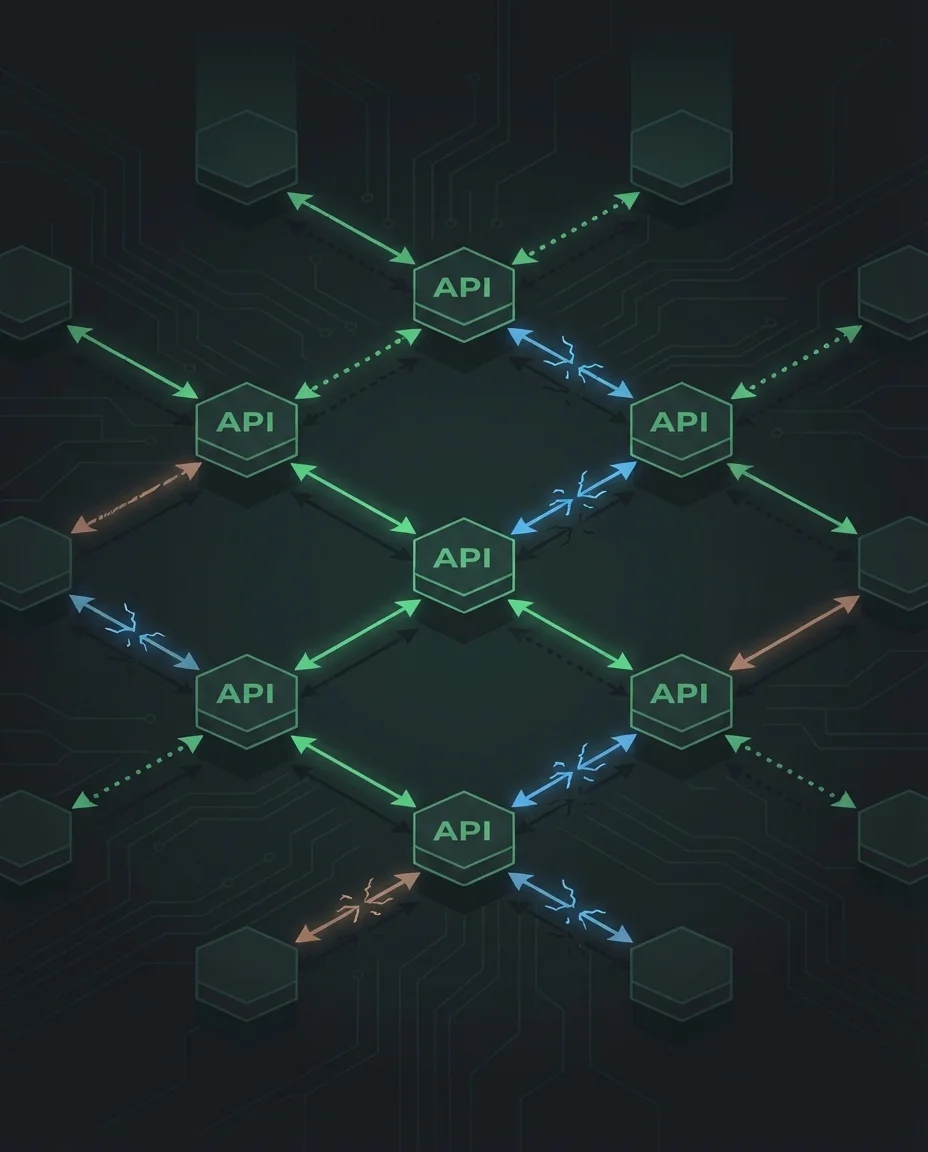
September 2021 is a useful checkpoint for reviewing release-time security controls. Teams often treat this area as policy-heavy and execution-light, which creates control drift over time. Practical maturity comes from measurable routines: clear ownership, repeated validation, and evidence that leaders can use for prioritisation.
The key is to design controls for real operating conditions. If controls only work when staffing is full, dependencies are stable, and delivery pace is low, they are not robust enough for production reality.
How to Operationalise This Topic
Translate policy into a 30-day execution cycle: define scope and owners, implement high-leverage improvements, validate under realistic conditions, and close the cycle with decision-ready reporting. Repeating this pattern monthly is what builds resilience at programme level.
Use metrics that show control effectiveness: unresolved high-severity age, escalation latency, restoration confidence, and exception backlog trend. Activity volume metrics alone do not demonstrate risk reduction.
Recommended Actions for September 2021
- Confirm accountable owners for each high-impact control domain.
- Prioritise remediation based on business consequence and exposure.
- Run one practical validation exercise before month-end.
- Close stale exceptions with explicit decisions and dates.
- Publish concise assurance outputs for leadership review.
Teams that keep this cadence avoid reactive cycles and create predictable security progress. The expected outcome for September 2021 is better decision speed, stronger control reliability, and reduced operational surprise.
Execution Checklist for September 2021
To turn this topic into measurable security progress, teams should agree a short implementation plan with named owners, decision points, and evidence outputs. The objective is not activity volume; it is reduced uncertainty around high-impact exposure and better decision speed when controls degrade.
- Confirm who owns each control action and set closure dates.
- Define one validation exercise before month-end.
- Track unresolved findings by age and business impact.
- Escalate dependencies that block remediation delivery.
- Publish a concise assurance note for leadership review.
What Good Looks Like
By the end of September 2021, the expected outcome is clearer ownership, fewer unmanaged exceptions, and evidence that controls are improving in practice. Where uncertainty remains, it should be explicitly documented with a mitigation path and review date. This discipline is what turns security intent into operational reliability across engineering, governance, and business stakeholders.
Operational Follow-Through
For September 2021, teams should also complete a post-implementation review that checks whether agreed actions changed real risk posture, not just task completion status. This review should compare pre-cycle and post-cycle exposure, confirm whether ownership gaps were closed, and identify any dependencies that still block reliable control performance.
Where gaps remain, the next cycle should begin with those blockers as explicit priorities rather than carrying them forward as passive notes. Programmes improve fastest when unresolved issues are treated as decision items with deadlines and accountable owners. This keeps security delivery credible and prevents repeated control drift across adjacent months.
Related pathways: SME & Mid-Market Services, Enterprise Organisations, and Offensive area.
For planning and implementation support, use Get in Touch or review the full services model.
Teams should record closure evidence and decision rationale so improvements remain durable in the next cycle.
Need Help Applying This?
If this topic relates to your environment, we can scope the right engagement model and provide a clear plan with evidence-focused outcomes.